

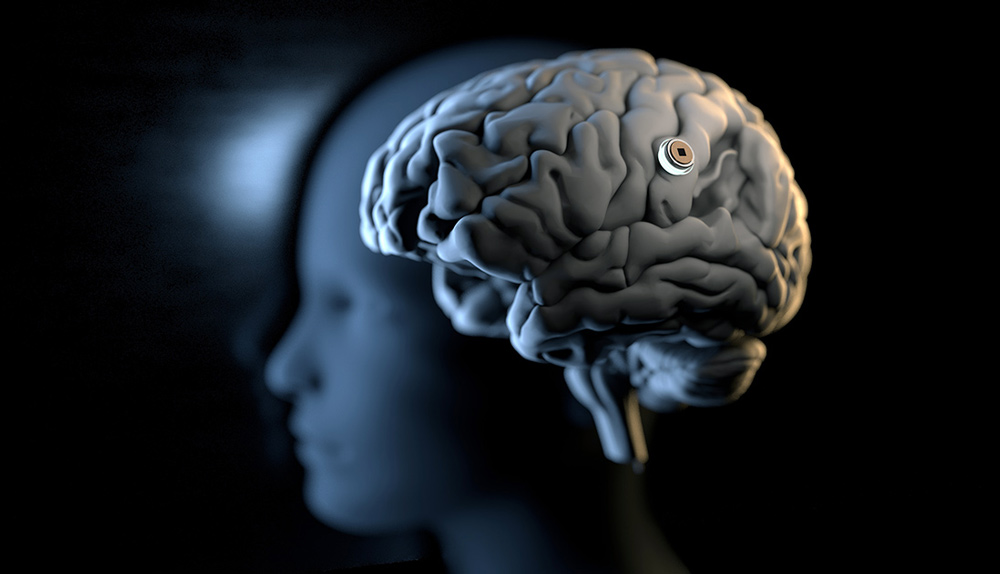
The concept of implanting brain chips to enhance human intelligence is no longer confined to the realm of science fiction. Visionaries like Elon Musk and Alexander Wang are spearheading efforts to develop brain-computer interfaces (BCIs), promising revolutionary advancements in human cognition. However, while the technology holds immense potential, it also raises profound ethical questions and concerns about privacy.
The Rise of Brain-Enhancing Technologies
Elon Musk’s Neuralink has been at the forefront of developing brain chips, with plans to scale production to help humans keep pace with superintelligent AI systems. Musk envisions a future where these chips not only assist people with disabilities but also augment the intelligence of healthy individuals. Similarly, Alexander Wang, a tech entrepreneur involved with Meta’s brain-interface initiatives, has expressed his ambition to delay having children until such technologies can enhance their intelligence.
The global investment in neuroscience technology has skyrocketed, growing from $293 million a decade ago to $2.3 billion in 2025, according to PitchBook. This surge in funding reflects the growing interest in BCIs and neurostimulation devices, which are expanding from clinical applications, such as treating paralysis, to enhancing the lives of healthy individuals.
Ethical and Practical Concerns
Despite the enthusiasm, experts caution against unregulated applications of brain-enhancing technologies. Critics argue that these innovations are often based more on speculative beliefs than concrete evidence. For instance, Matthew MacDougall, Neuralink’s chief surgeon, has pointed out that pharmacological approaches like LSD and psilocybin may offer more effective neural plasticity benefits than electrode-based chips.
The ethical dilemma becomes even more pronounced when considering the enhancement of children’s brains. Since children cannot provide informed consent, using such technology to “improve” them raises serious moral questions. Furthermore, there are concerns about the potential misuse of brain-chip data, especially if companies prioritize profit over privacy.
The Intersection of Technology and Privacy
As companies develop devices capable of decoding brain activity, the implications for privacy are staggering. Technologies like Meta’s neural wristbands and Apple’s brain-monitoring AirPods hint at a future where our innermost thoughts could be analyzed and monetized. Marcelo Ienca, a professor of AI ethics at the Technical University of Munich, warns that these advancements could lead to unprecedented levels of data exploitation, where advertisers and corporations directly access users’ intentions and beliefs.
A Cautious Path Forward
While the technological feasibility of brain chips is advancing rapidly, many experts advocate for a cautious approach. Companies like INBRAIN, which focus on clinical applications such as treating Parkinson’s disease, exemplify a more measured trajectory. According to INBRAIN CEO Carolina Aguilar, the company prioritizes curing diseases over enhancing the abilities of healthy individuals.
The debate over brain-enhancing technologies ultimately hinges on who controls these innovations and for what purpose. As Aguilar suggests, the brain is the most significant repository of data in the world, and its exploitation could lead to profound ethical challenges.
The Future of Human Intelligence
BCIs offer a tantalizing glimpse into a future where humans can merge with machines to achieve unprecedented cognitive capabilities. However, the path to this future must be navigated carefully to ensure that these technologies are used responsibly and equitably. For now, the priority should remain on addressing medical conditions and ensuring that the development of brain-enhancing technologies aligns with ethical standards.

 ↔
↔ 
 ↔
↔  ↔
↔  ↔
↔  ↔
↔  ↔
↔  ↔
↔  ↔
↔  ↔
↔  ↔
↔  →
→  →
→  →
→  →
→  →
→  →
→  →
→