

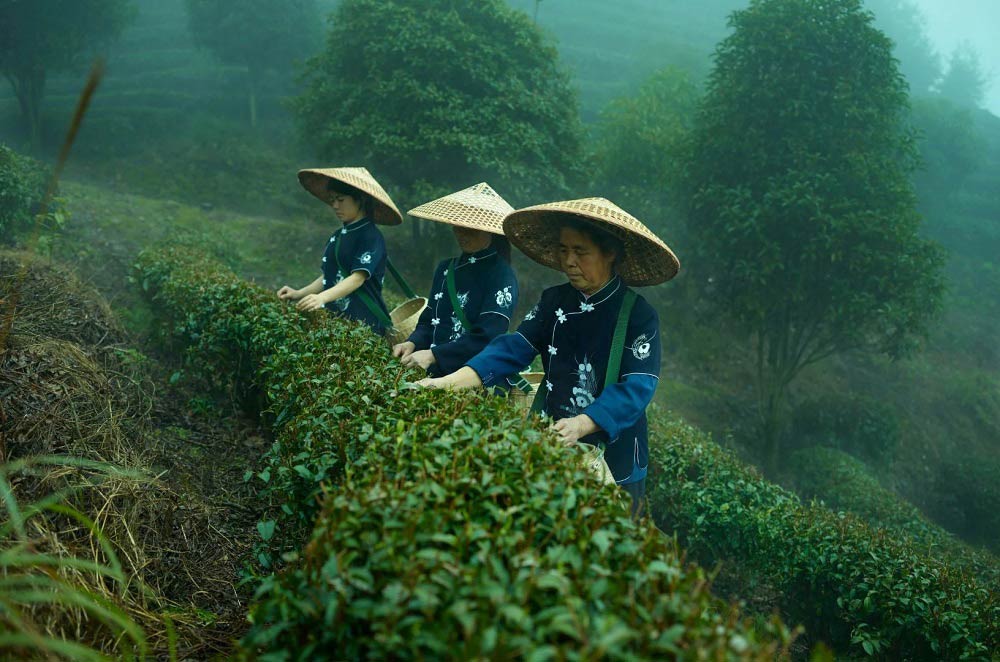
China, widely recognized as the birthplace of tea and a country where it has been deeply rooted in culture for thousands of years, has unveiled ambitious plans to enhance its tea industry’s global value. According to the latest guidelines issued by Chinese authorities, the goal is to increase the total value of the tea industry’s supply chain to 1.5 trillion yuan (approximately $216 billion) by 2030.
The new guidelines, jointly released by five government bodies, including the Ministry of Industry and Information Technology, outline a comprehensive strategy to significantly improve the quality, efficiency, and competitiveness of the tea industry. The blueprint also emphasizes sustainability, technological innovation, and expanding international market presence.
Key Objectives by 2030
By 2030, China aims to establish a robust tea industry characterized by abundant supply, eco-friendliness, smart technologies, and enhanced global competitiveness. The guidelines detail several interim objectives for 2028, focusing on stable progress in major traditional tea-producing regions and the continuous improvement of unique local tea industries.
To achieve its ambitious goals, the government has outlined a set of key tasks, including:
- Scientific and Technological Innovation: Efforts will be made to integrate advanced technologies into tea production and processing.
- Industrial Modernization: Upgrading traditional production methods and improving supply chain efficiency are central to the plan.
- Market Development: Expanding market entities and fostering specialized industrial clusters will ensure diversified product offerings and broader consumption scenarios.
- Expansion of Tea Applications: The guidelines emphasize exploring the use of tea raw materials in non-traditional sectors such as household products, daily chemicals, cosmetics, and healthcare.
A Deep Cultural Connection
Tea is not just an industry for China; it is an integral part of the nation’s cultural heritage and daily life. The country’s leadership seeks to leverage this cultural significance to elevate the tea industry to new heights on the global stage.
By focusing on modernization, sustainability, and innovation, China is poised to transform its tea industry into one of the most dynamic and valuable sectors in the global economy. As the world’s largest tea producer and consumer, China continues to lead the way in shaping the future of tea.

 ↔
↔ 
 ↔
↔  ↔
↔  ↔
↔  ↔
↔  ↔
↔  ↔
↔  ↔
↔  ↔
↔  ↔
↔  →
→  →
→  →
→  →
→  →
→  →
→  →
→