

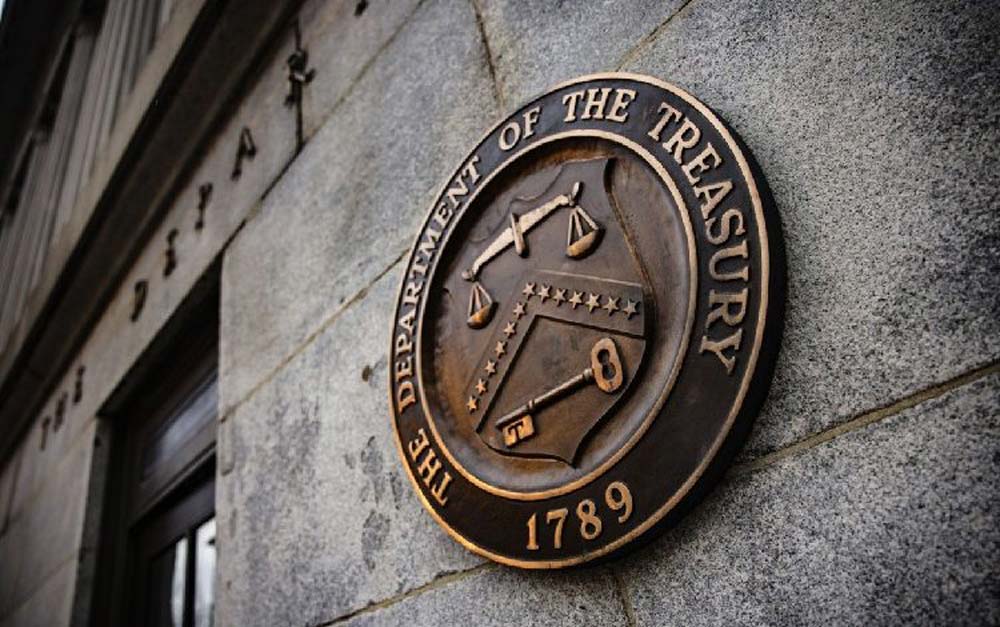
Chinese regulators have reportedly instructed financial institutions in the country to reduce their holdings of U.S. Treasury bonds, citing concerns over market volatility and concentration risks. According to sources familiar with the matter, officials have urged banks with significant exposure to U.S. Treasuries to scale back their positions. These directives, conveyed verbally, reflect growing caution among Chinese officials regarding the potential implications of large holdings of U.S. government debt.
A Strategic Move, Not a Political Statement
Despite the ongoing tensions between Beijing and Washington, this move appears to be motivated by financial prudence rather than geopolitical maneuvering. According to insiders, the guidance aims to diversify market risks and avoid excessive financial concentration in a single asset class. Officials emphasized that these instructions do not apply to China’s official state holdings of U.S. Treasuries, which remain stable.
The guidance reflects broader global concerns over the reliability of U.S. Treasuries as a safe-haven asset. Similar warnings have been raised by governments and fund managers worldwide amid debates about the status of U.S. debt and the dollar’s appeal.
Impact on Markets
News of China’s directive had an immediate impact on financial markets. Prices of U.S. Treasury bonds fell, pushing yields higher across various maturities during Asian trading hours. The U.S. dollar also weakened slightly against major currencies following the reports.
Context of the Decision
China’s move comes as its total holdings of U.S. Treasury bonds have been declining for years. Once the largest foreign holder of U.S. government debt, China has reduced its exposure significantly over the past decade. Total Chinese holdings, including both official and private, have dropped by nearly half since their peak in 2013, reaching $683 billion in November 2025 — the lowest level since 2008.
This reduction aligns with a broader trend among global investors questioning Washington’s fiscal discipline. Analysts have noted rising skepticism over the U.S.’s ability to maintain its financial and monetary stability, particularly during the administration of President Donald Trump. In recent months, concerns about the U.S. dollar’s strength, the Federal Reserve’s independence, and the growing national debt have fueled unease in the global financial community.
Broader Implications
Although China’s regulatory guidance has sparked speculation about potential instability in U.S. debt markets, there are no immediate signs of a mass exodus of foreign investors. In fact, foreign holdings of U.S. Treasuries reached a record $9.4 trillion in November, underscoring the continued demand for U.S. debt as a secure investment option.
However, analysts warn that the shifting dynamics in global debt markets could have long-term implications. For instance, Belgium — often viewed as a proxy for Chinese holdings due to custodial accounts — has seen a rise in its U.S. Treasury holdings, which quadrupled to $481 billion since 2017. This suggests that some of China’s reductions may be offloaded to other jurisdictions.
A Cautious Path Forward
The Chinese government’s decision reflects its cautious approach to managing financial risks during a period of heightened market volatility. While the directive is unlikely to signal a broader loss of confidence in U.S. Treasuries, it underscores Beijing’s focus on safeguarding its financial system from potential shocks.

 ↔
↔ 
 ↔
↔  ↔
↔  ↔
↔  ↔
↔  ↔
↔  ↔
↔  ↔
↔  ↔
↔  ↔
↔  →
→  →
→  →
→  →
→  →
→  →
→  →
→