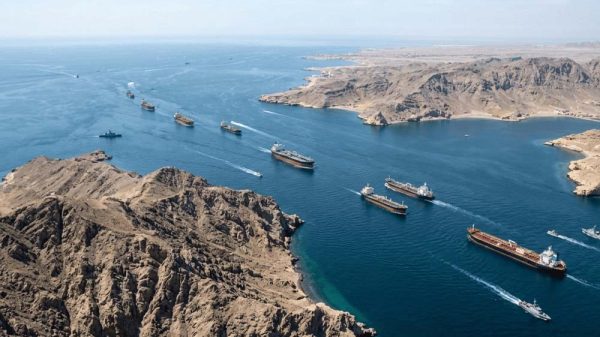


Oil prices climbed by 0.5% on Monday, driven by growing fears that escalating protests in Iran could disrupt crude supplies from the OPEC member. However, efforts to swiftly resume Venezuela’s oil exports have tempered the price increases.
Brent crude futures rose 0.50% to $63.65 per barrel, while West Texas Intermediate (WTI) crude also increased by 0.50%, reaching $59.42 per barrel. Both benchmarks saw a significant rise of over 3% last week, marking their largest weekly gains since October, as Iran intensified its crackdown on the most widespread protests in the country since 2022.
Supply Risks from Iran Protests
According to analysts at ANZ Bank, the ongoing civil unrest in Iran has created heightened uncertainty over the country’s oil exports. They noted that calls have been made for oil workers to join the protests, putting approximately 1.9 million barrels per day of crude exports at risk. A rights group reported that the protests, sparked by government crackdowns, have resulted in over 500 deaths. Meanwhile, U.S. President Donald Trump has issued repeated warnings of potential intervention if excessive force is used against demonstrators.
The U.S. administration is expected to meet on Tuesday to discuss its options regarding Iran. A senior U.S. official told Reuters that the situation is being closely monitored, given its potential impact on global oil markets.
Venezuela’s Oil Exports Set to Resume
In contrast, Venezuela is gearing up to resume large-scale oil exports following the removal of President Nicolás Maduro. U.S. President Trump announced last week that Caracas would deliver approximately 50 million barrels of previously sanctioned oil to Washington. This development has sparked competition among oil companies to secure tankers and prepare for safe transport of crude from Venezuela’s aging infrastructure.
Commodity trading firm Trafigura informed the White House that its first shipment of Venezuelan oil would take place next week. Despite these developments, energy experts believe that Venezuelan oil is unlikely to flood the market or compete significantly with Saudi Arabian production levels.
OPEC+ Maintains Production Cuts
Adding to the market dynamics, the OPEC+ alliance announced that eight of its members would continue suspending increased oil production through February and March 2026. This decision aims to stabilize prices amid fluctuating global demand and geopolitical uncertainties.

 ↔
↔ 
 ↔
↔  ↔
↔  ↔
↔  ↔
↔  ↔
↔  ↔
↔  ↔
↔  ↔
↔  ↔
↔  →
→  →
→  →
→  →
→  →
→  →
→  →
→