
Oil prices declined on Wednesday in response to growing optimism surrounding U.S.-led diplomatic efforts to resolve the ongoing war with Iran. This positive sentiment overshadowed concerns about the deployment of additional U.S. troops to the region and Iran’s partial blockage of the critical Strait of Hormuz.
Brent crude experienced a drop of up to 7%, nearing $97 per barrel, while West Texas Intermediate crude hovered around $87.
Diplomatic Developments and Military Movements
The United States has proposed a 15-point peace plan in a bid to de-escalate tensions with Iran, according to sources familiar with the initiative. The proposal was reportedly delivered to Tehran via Pakistan, as first reported by The New York Times. This comes alongside continued military buildup in the Gulf, with the U.S. deploying 2,000 troops from the 82nd Airborne Division as a precautionary measure to counter Iran’s control over the Strait of Hormuz.
Despite the diplomatic momentum, challenges remain. Robert Rennie, Head of Commodities Research at Westpac Banking, stated, “We’ve clearly moved from a phase where all-out war seemed imminent to a more negotiation-focused phase. However, mutual distrust is likely to make this process long and complex.”
Impacts of the Strait of Hormuz Blockade
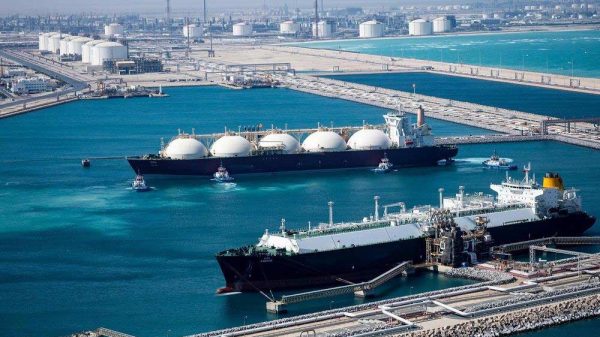
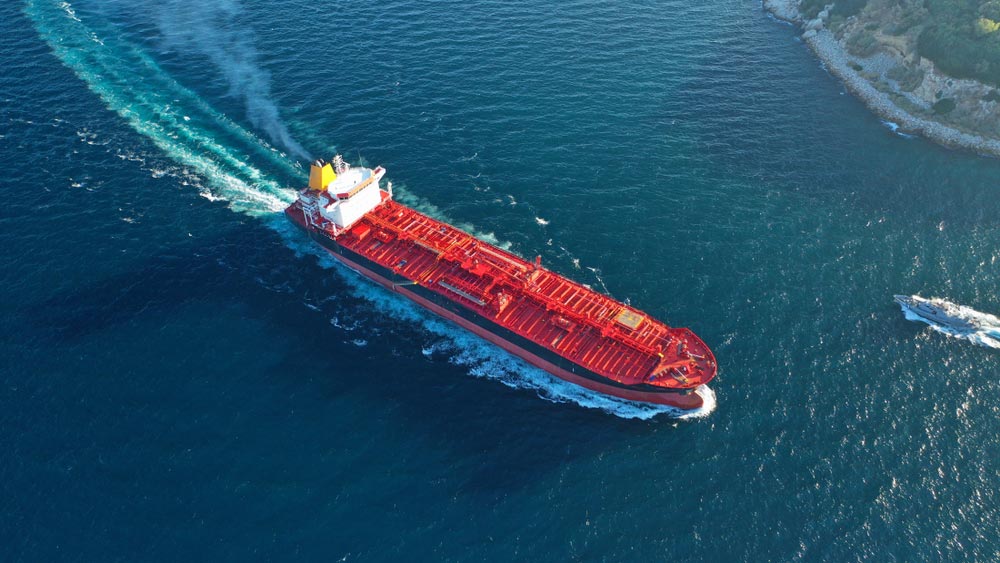
Iran’s efforts to tighten its grip on the Strait of Hormuz—a vital waterway for global oil and gas exports—has created widespread concerns of an energy crisis. The blockade has disrupted supplies from major Gulf producers to international markets, leaving investors on edge as the conflict enters its fourth week.
Adding to the tension, U.S. President Donald Trump threatened over the weekend to target Iran’s power infrastructure if the strait was not fully reopened within 48 hours. However, he later extended this deadline to allow for negotiations, even as Iran tightened its hold on the waterway.
Market Reaction and Price Volatility
Oil prices have shown significant volatility throughout March, with Brent and WTI experiencing sharp fluctuations. While the recent price drop reflects a decreased geopolitical risk premium, analysts warn that risks remain high. Charo Chanana, Chief Investment Strategist at Saxo Markets, noted, “Falling prices signal a reduction in war risk premiums, but it’s too early to call the all-clear as Iran denies talks are underway, and military activity persists.”
Meanwhile, investors are keeping a close eye on Washington’s diplomatic overtures. Addressing the possibility of progress, President Trump said on Tuesday that Iran provided a “gesture of goodwill” involving energy flow through the strait, though details remain unclear.
Wider Global Implications
The conflict’s economic consequences extend beyond the Middle East. China, the world’s largest oil importer and a key buyer of Iranian crude, has urged both the U.S. and Iran to engage in dialogue. Chinese Foreign Minister Wang Yi emphasized the importance of resolving the crisis to stabilize global energy markets.
Asian refiners are scrambling to secure alternative oil supplies in anticipation of prolonged disruptions in Hormuz. U.S. crude exports are expected to surge next month, potentially reaching record levels. However, the ongoing uncertainty has triggered ripple effects worldwide, from fuel shortages in Australia to surging diesel prices in the U.S.
In California, diesel prices have soared past $7 per gallon, creating challenges for industries reliant on transportation, agriculture, and construction. Similarly, energy markets in Southeast Asia and Australia are under threat, with multiple regions facing fuel shortfalls and strategizing emergency responses.
Future Outlook
While the diplomatic push offers a glimmer of hope, the path to peace remains uncertain. Israel, a close U.S. ally and a central player in sparking the conflict, has expressed skepticism about America’s proposal. Continued military strikes by Israel on Iranian targets further complicate the negotiation process.
For now, global markets must contend with ongoing volatility, as the war’s energy implications weigh heavily. As Chris Weston, Head of Research at Pepperstone Group, remarked, “Safe passage through the Strait of Hormuz will be the cornerstone of any long-term agreement.”
Global Energy Markets Brace for More Turbulence
The potential for prolonged conflict and uncertainty about resolving the crisis keep global energy markets on edge. While some steps toward de-escalation have been noted, the prospect of achieving a comprehensive peace deal remains fraught with challenges.

 ↔
↔ 
 ↔
↔  ↔
↔  ↔
↔  ↔
↔  ↔
↔  ↔
↔  ↔
↔  ↔
↔  ↔
↔  →
→  →
→  →
→  →
→  →
→  →
→  →
→