

What began as cautious optimism ended in diplomatic deadlock. After US and Iranian negotiators met in Pakistan over the weekend in hopes of cementing a lasting peace framework, both sides walked away empty-handed. US Vice President JD Vance confirmed that American negotiators were returning home without a deal, following Iran’s refusal to commit to abandoning its pursuit of nuclear weapons capability.
The failure lands at a particularly sensitive moment. Last week, investors had already begun tilting their portfolios toward riskier assets in the wake of a ceasefire announcement between the two nations. That repositioning now looks premature — and markets will likely spend Monday unwinding it.
What Analysts Are Expecting When Markets Open
The consensus view among market strategists is that Monday’s session will be defined by a flight to safety, though the scale and duration of that move remains the subject of debate.
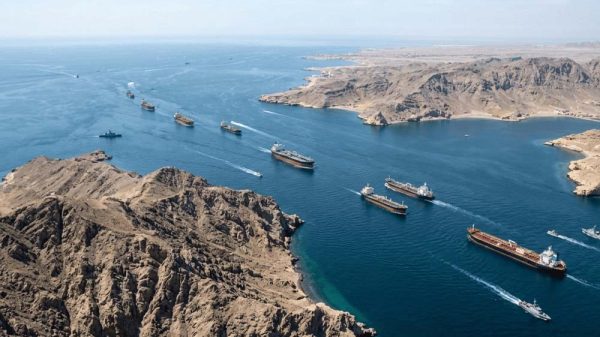
The dollar is expected to recover some ground after losing 1.4% last week, as investors seek shelter in safe-haven currencies. Oil prices are similarly forecast to climb, with the Strait of Hormuz — still operating at less than 10% of its normal shipping volumes even after the ceasefire — remaining a critical pressure point on global supply.
Equity markets face the bleakest short-term outlook. A broad-based sell-off is widely anticipated, while gold is expected to attract renewed demand as a geopolitical hedge.
The picture for US Treasuries is more complicated. Kyle Roda of Capital.com described the baseline scenario as “a quick buy-on-open, followed by two-way price action as markets balance safe-haven demand against inflation reads.” The key variable, he noted, is where oil opens. If crude prices surge on Hormuz fears, inflation expectations will be rapidly repriced, placing a floor under bond yields and capping any meaningful rally in longer-dated maturities.
The Question Every Trader is Asking
The central interpretive question for Monday — and arguably for the weeks ahead — is whether this breakdown represents a temporary stumbling block or a structural collapse of the ceasefire framework.
Saxo Markets’ Chief Investment Strategist Charu Chanana framed the failure as “a clear setback,” warning that it may bring an end to the relief-driven trading rally that had buoyed markets in recent days. Yet she also noted that the outcome was not entirely surprising given the depth of disagreement between the two sides over nuclear guarantees and the status of the Strait of Hormuz.
Meyka AI’s co-founder Dionysios Kontos offered a more measured read. Iran’s foreign ministry, he pointed out, left the door open for further dialogue — suggesting this is an extended state of uncertainty rather than a complete rupture. That distinction, he argued, could be the difference between a sharp market correction and a more modest adjustment.
Stagflation Risk Lurks Beneath the Surface
Beyond the immediate safe-haven flows, analysts are flagging a deeper and more troubling dynamic: the risk of stagflation.
UOB Kay Hian’s Kenneth Goh warned that “continued restrictions on the Strait of Hormuz push markets from simple risk aversion into a more complex stagflation risk scenario.” It is a scenario that would combine slowing economic growth with persistent inflationary pressure from elevated energy costs — a notoriously difficult environment for policymakers and investors alike.
Pepperstone Group’s strategist Delyn Wu echoed this concern, noting that while short-end Treasury yields may fall on safe-haven demand, any sustained rise in oil prices would quickly re-anchor inflation expectations, placing renewed upward pressure on the long end of the yield curve.
Sectors to Watch
Not all parts of the market face headwinds. Analysts broadly agree that energy and defense stocks are positioned to outperform on Monday, with a visible gap higher at the open.
Energy is the most direct beneficiary of supply-side constraints, while defense stocks reflect an elevated and increasingly durable geopolitical risk premium. However, as Kontos cautioned, much of the defense trade may already be priced in.
On the losing side, shipping and aviation stocks remain under pressure so long as Hormuz stays effectively closed, while growth equities and consumer discretionary names face headwinds from rising risk aversion.
Several Asian currencies — particularly those belonging to net energy importers, including the South Korean won, Philippine peso, Japanese yen, and Thai baht — had already begun weakening ahead of the weekend, and are expected to remain under pressure through the week.

 ↔
↔ 
 ↔
↔  ↔
↔  ↔
↔  ↔
↔  ↔
↔  ↔
↔  ↔
↔  ↔
↔  ↔
↔  →
→  →
→  →
→  →
→  →
→  →
→  →
→