
The relationship between China and Japan has long been marked by a mix of interdependence and rivalry. Despite deep trade ties and geographic proximity, the two nations remain at odds over historical grievances, territorial disputes, and growing strategic concerns. The recent spotlight on rare earth elements (REEs) has further exacerbated these tensions, introducing a new dimension to their already fragile dynamic.
A History of Strained Relations
For centuries, China and Japan have been the dominant powers in East Asia, shaping each other’s cultures, economies, and political landscapes. However, historical scars, such as Japan’s invasion of China during the early 20th century and the atrocities committed during World War II, continue to cast a shadow over their relations. Even in the modern era, territorial disputes, particularly over the uninhabited Senkaku/Diaoyu Islands in the East China Sea, remain a major point of contention. These islands have seen increased Chinese naval activity, adding to the mistrust between the two nations.
The Role of Rare Earth Elements
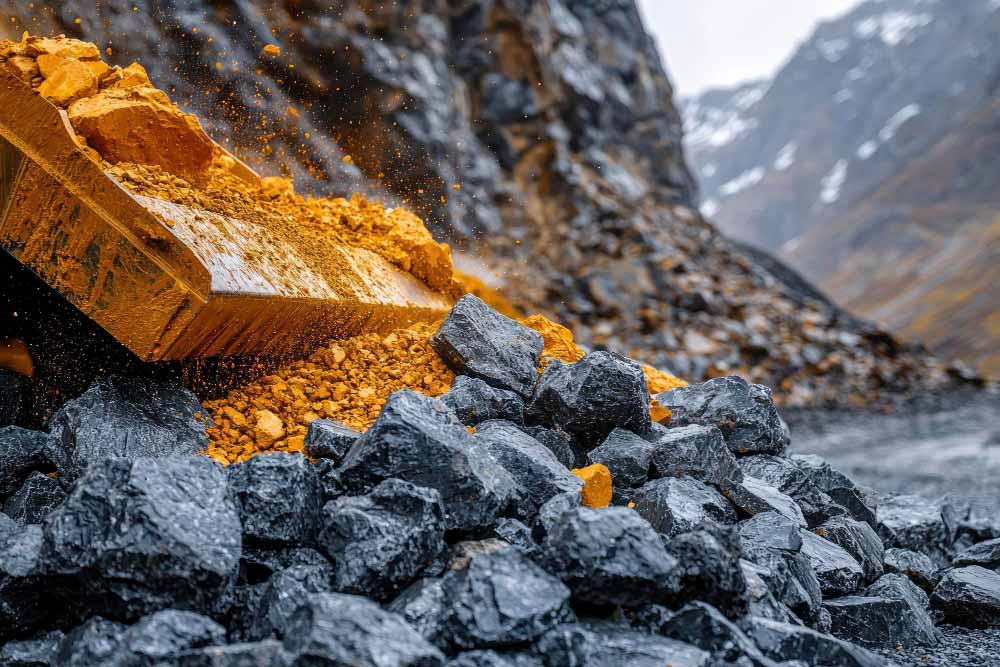
Rare earth elements, vital for advanced technology, have emerged as a critical flashpoint in the Sino-Japanese rivalry. These minerals are essential for producing high-tech goods such as smartphones, electric vehicles, and military equipment. China currently dominates global production and supply chains for REEs, accounting for approximately 70% of Japan’s imports in 2024, according to the Japan Organization for Metals and Energy Security.
In late 2025, China’s decision to impose restrictions on exports of dual-use goods (items with both civilian and military applications) signaled an economic weaponization of its REE dominance. These restrictions target Japan’s vulnerabilities, especially in its high-tech and automotive industries. China’s move is reminiscent of earlier instances, such as in 2010 and 2012, when it temporarily halted REE exports to Japan during territorial disputes, causing significant disruptions to Japanese industries.
Taiwan’s Role in the Escalating Conflict
The Taiwan issue has further strained Sino-Japanese relations. Japan’s Prime Minister, Sanae Takaichi, recently described China’s potential military actions in Taiwan as a “threat to Japan’s survival,” a statement that angered Beijing. China retaliated with economic and diplomatic measures, including banning Japanese seafood imports and reducing flights to Japan. This growing tension over Taiwan has heightened Japan’s sense of vulnerability, given its geographic proximity to the island and its strategic importance.
Economic Interdependence and Strategic Risks
Despite their rivalry, China and Japan remain deeply connected economically. China is Japan’s largest trading partner, accounting for 20% of its imports, while Japan supplies China with advanced machinery and electronics. However, mutual dependencies have become a double-edged sword. While Japan relies heavily on Chinese rare earths, China depends on Japanese expertise and high-tech products, such as semiconductor components.
Japan has made efforts to diversify its REE supply chain, partnering with Australian producers and increasing recycling initiatives. However, these measures are unlikely to fully offset its reliance on Chinese resources in the short term, given the soaring demand for rare earths in modern industries.
Military and Strategic Concerns
China’s rapid military expansion, combined with its growing cooperation with Russia, has alarmed Tokyo. Japan’s 2025 defense white paper labeled China as its “biggest strategic challenge,” citing Beijing’s increased defense spending and military activities in the region. In response, Japan has accelerated its defense buildup, planning to double its military spending to 2% of GDP by 2025, a historic shift for the traditionally pacifist nation.
The Global Implications of the Conflict
The rare earths dispute highlights a broader trend of economic and strategic competition between major powers. If China continues to leverage its control over REEs as a geopolitical tool, it risks inviting countermeasures from Japan and its allies, particularly the United States. Japan’s strengthening military ties with the U.S. and South Korea reflect its efforts to counterbalance China’s growing influence.

 ↔
↔ 
 ↔
↔  ↔
↔  ↔
↔  ↔
↔  ↔
↔  ↔
↔  ↔
↔  ↔
↔  ↔
↔  →
→  →
→  →
→  →
→  →
→  →
→  →
→