
The escalation of tensions in the Middle East, particularly involving Iran, has far-reaching consequences for global trade. The recent conflict, marked by targeted airstrikes and retaliatory measures, has significantly disrupted shipping and energy supplies, sending shockwaves across global markets. Here’s a detailed look at how this conflict is affecting the world economy.
Disruptions in the Strait of Hormuz
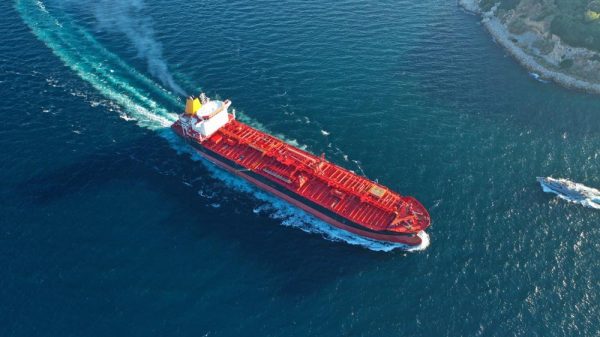
The Strait of Hormuz, a vital maritime chokepoint connecting the Arabian Gulf to the open ocean, has become a hotspot for disruptions. Recently, a vessel shut off its transponder near Sharjah, only to reappear later off the coast of Abu Dhabi. This incident highlights the growing risks in the region, where only a limited number of ships can currently navigate the strait due to heightened military activity.
According to Bloomberg, commercial shipping through the Strait of Hormuz dropped by 85% between March 1 and March 6, compared to the same period last year. Many vessels are operating with their identification systems turned off to avoid detection, complicating logistics and fueling uncertainty in global trade routes.
Impact on Global Energy Supplies
The Strait of Hormuz accounts for 20% of the world’s oil and liquefied natural gas exports. The recent conflict has led to attacks on various production facilities across the Gulf region, prompting energy exporters to seek alternative routes. However, these alternatives are limited and costly.
For the first time in two years, Brent crude oil surged to $90 per barrel by March 6, while natural gas prices soared to their highest levels in three years. Analysts predict that prolonged conflict could push energy prices beyond $100 per barrel, further straining both producers and consumers. The rise in energy costs has already triggered a chain reaction, with gasoline prices rising in the United States, prompting policymakers to seek solutions to mitigate the domestic impact.
Logistics and Air Transport Chaos
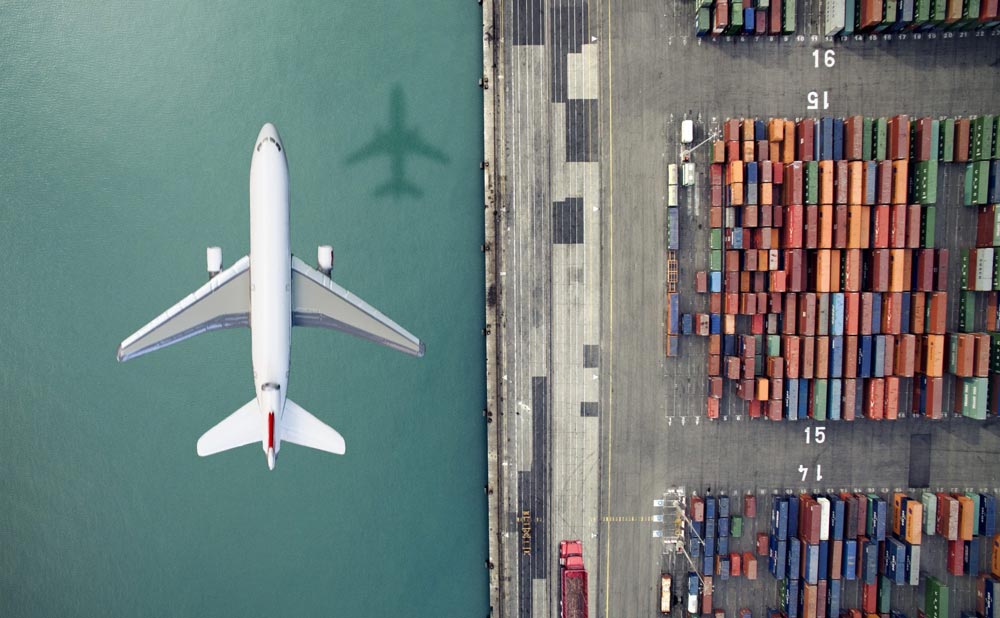
The conflict has also disrupted air transport—a key component of global logistics. Major hubs like Dubai, which typically handle about 1,000 flights daily, have experienced significant delays and cancellations. Over 27,000 flights across the region were canceled within a week of the conflict’s escalation. Although some airlines, like Emirates, have resumed operations, the situation remains volatile.
The reliance on Dubai and Qatar as central nodes for global shipping and air cargo magnifies the impact. Any disruption to these hubs reverberates throughout the global supply chain, affecting industries far beyond the Gulf region.
Ripple Effects on Agriculture and Fertilizer Supply
The agricultural sector is another casualty of the conflict. Approximately one-third of the world’s fertilizer trade passes through the Strait of Hormuz, and natural gas—a critical component in fertilizer production—has become more expensive. As a result, fertilizer producers worldwide have scaled back operations, and prices have risen sharply.
Farmers, particularly in developing nations, are feeling the brunt of these changes. Many are struggling to secure adequate fertilizer supplies, which could lead to reduced crop yields in the upcoming planting seasons. If shortages persist, experts warn of potential humanitarian crises in the most vulnerable regions.
Global Supply Chain Vulnerabilities
The conflict underscores the fragility of interconnected global supply chains. Sarah Schiffling, a supply chain expert from Finland’s Hanken School of Economics, notes that disruptions to key hubs like the Gulf region can ripple through the entire global network. Even companies not directly tied to the Middle East may feel the effects through their suppliers or logistics partners.
For example, rising energy costs in Asia—where much of the Gulf’s oil is exported—could drive up the prices of consumer goods in Europe. Similarly, delays in shipping and rising storage costs are likely to hinder manufacturing operations worldwide.

 ↔
↔ 
 ↔
↔  ↔
↔  ↔
↔  ↔
↔  ↔
↔  ↔
↔  ↔
↔  ↔
↔  ↔
↔  →
→  →
→  →
→  →
→  →
→  →
→  →
→