
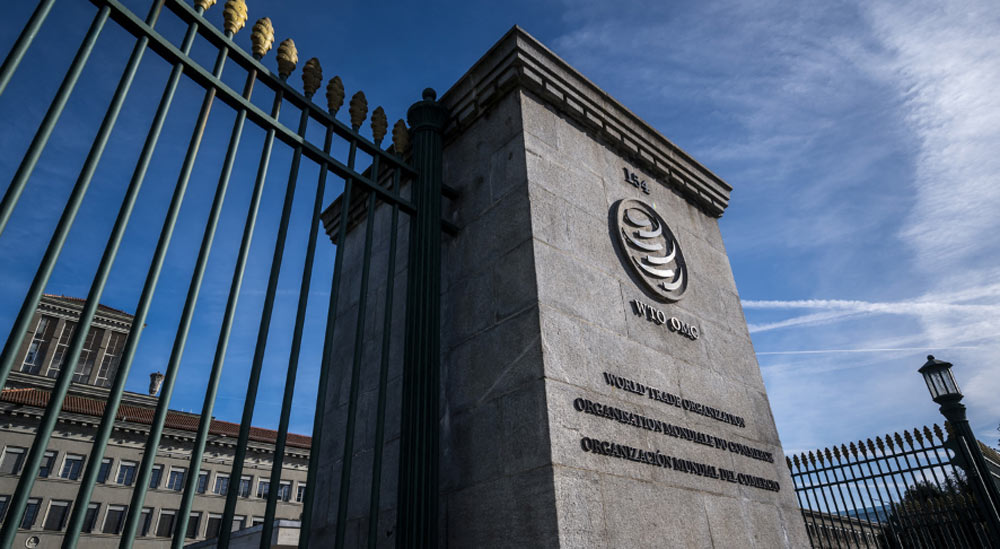
Efforts to reform the World Trade Organization and extend the moratorium on tariffs for electronic transactions, such as digital downloads, entered their final day on Sunday with little progress in sight. The discussions, taking place among trade ministers in Cameroon, have so far been unable to bridge the gap between the United States and India regarding the extension of the current tariff moratorium, which is set to expire this month.
The Moratorium: An Important Test for the WTO
The moratorium on electronic transaction tariffs is seen as a significant issue for the WTO’s future. Following a year marked by trade disruptions, tariff disputes, and ongoing geopolitical tensions in the Middle East, many fear the absence of an extension could create uncertainty. While Indian officials have indicated they might agree to a two-year extension, U.S. Trade Representative Jamieson Greer has stated Washington is only interested in a permanent extension of the moratorium.
Business leaders and diplomats stress that maintaining the moratorium is crucial for predictability in global electronic transactions. Some reports indicate the U.S. might consider a compromise involving a 10-year pathway to permanent abolition of tariffs, with shorter-term extensions of between 5 and 10 years under discussion. However, consensus among WTO members for an extension longer than two years appears unlikely.
Broader Implications for Global Trade
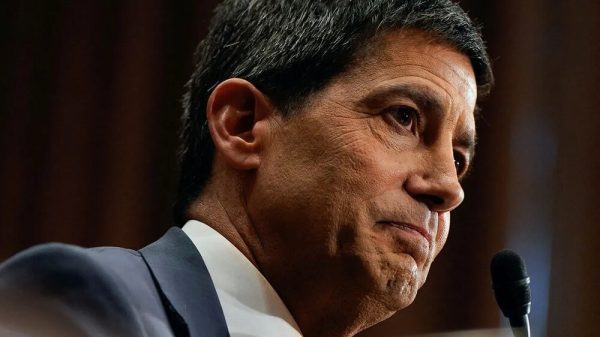
U.S. Ambassador to the WTO, Joseph Barloon, recently emphasized that a permanent moratorium would ensure the United States remains fully engaged in the WTO. At the core of these discussions lies the broader goal of reforming WTO rules to improve transparency around subsidies, streamline decision-making, and potentially revisit foundational principles like “most-favored nation” (MFN) status, which requires equal trading terms among members.
Negotiations have also stalled over adding provisions to encourage investment in developing countries into official WTO rules. India, in particular, opposes such steps, arguing that multilateral agreements could undermine the organization’s foundational principles.
The Stakes Are High
As negotiations proceed, the stakes remain high for the WTO, businesses, and the global economy. The outcome of these discussions will not only determine the future of tariffs on electronic trade but also signal the organization’s ability to adapt amidst mounting challenges. With tension between key players like the U.S. and India, significant breakthroughs appear unclear, leaving global markets to anticipate potential outcomes.

 ↔
↔ 
 ↔
↔  ↔
↔  ↔
↔  ↔
↔  ↔
↔  ↔
↔  ↔
↔  ↔
↔  ↔
↔  →
→  →
→  →
→  →
→  →
→  →
→  →
→