
Bitcoin and the broader cryptocurrency market came under renewed pressure after U.S. President Donald Trump signaled a possible escalation in military actions against Iran, triggering a wave of risk aversion across global financial markets.
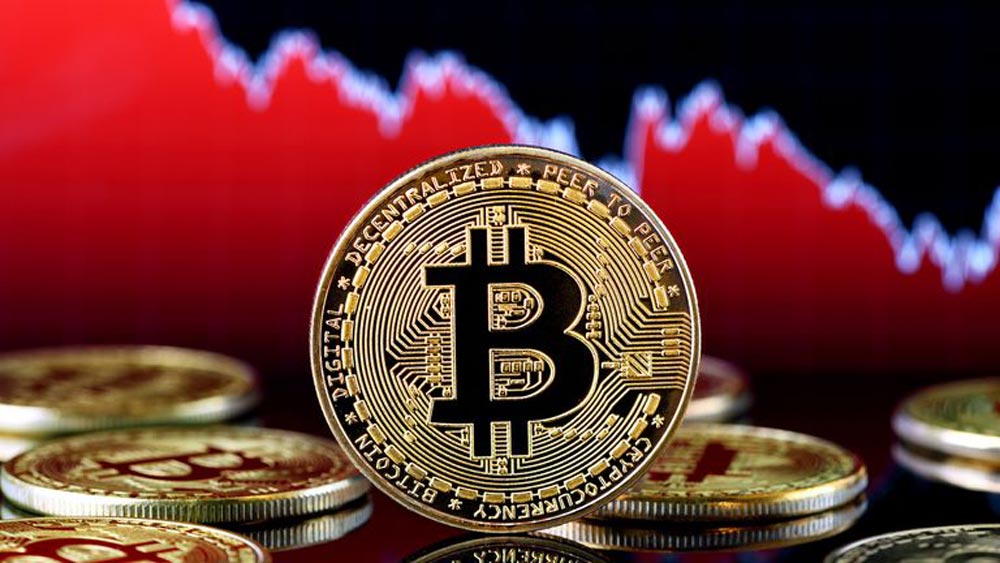
The world’s largest cryptocurrency recorded noticeable losses, falling by around 3% within a single day to trade near $67,000. In some sessions, it dipped even lower, briefly testing levels close to $66,000, reflecting heightened volatility and investor unease.
This decline followed Trump’s remarks suggesting that military operations against Iran could intensify in the coming weeks. Such statements dampened earlier optimism about a potential de-escalation in the conflict, which had previously supported risk assets, including cryptocurrencies.
Financial analysts note that Bitcoin, often promoted as a hedge against uncertainty, continues to behave more like a risk-sensitive asset during geopolitical crises. As tensions rise, investors tend to shift toward safer instruments, reducing exposure to volatile markets such as crypto.
The reaction was not limited to Bitcoin alone. Other major digital currencies, including Ethereum and XRP, also recorded losses, mirroring the broader downturn across equity and commodity markets.
One of the key drivers behind this market response is the strategic importance of the Middle East in global energy supply. Any threat to oil flows—particularly through critical routes like the Strait of Hormuz—raises concerns about inflation and economic slowdown. These fears typically lead investors to adopt a “risk-off” approach, pulling capital away from speculative assets such as cryptocurrencies.
Moreover, the sudden shift in political messaging—from earlier hints of easing tensions to renewed threats—has amplified uncertainty. Markets tend to react sharply to such unpredictability, especially when it involves potential disruptions to global trade and energy markets.
In conclusion, Bitcoin’s recent decline highlights the growing interconnectedness between geopolitical developments and digital asset markets. While cryptocurrencies are often viewed as alternatives to traditional financial systems, they remain highly sensitive to global macroeconomic and political dynamics. As long as tensions between the United States and Iran persist, volatility in the crypto market is likely to remain elevated.

 ↔
↔ 
 ↔
↔  ↔
↔  ↔
↔  ↔
↔  ↔
↔  ↔
↔  ↔
↔  ↔
↔  ↔
↔  →
→  →
→  →
→  →
→  →
→  →
→  →
→