
A Deal Born from Market Turbulence
The discussions emerge against a backdrop of severe market disruption. Soaring jet fuel prices — driven by the US-Iran war and the near-closure of the Strait of Hormuz — have hammered airline balance sheets and revived talk of sector consolidation. In a memo to employees last month, Kirby signaled that United would look to capitalize on any industry restructuring, framing elevated fuel costs as a window for strategic acquisitions. “We’ll be there to pick up some of those assets — and it could be a win-win,” he told Bloomberg in March, adding pointedly: “We’ll see. There are lots of rumors around that.”
Kirby has already begun trimming capacity in anticipation of further cost increases, a defensive posture that also positions United as a more attractive acquirer relative to a weakened American Airlines.
A Personal Dimension
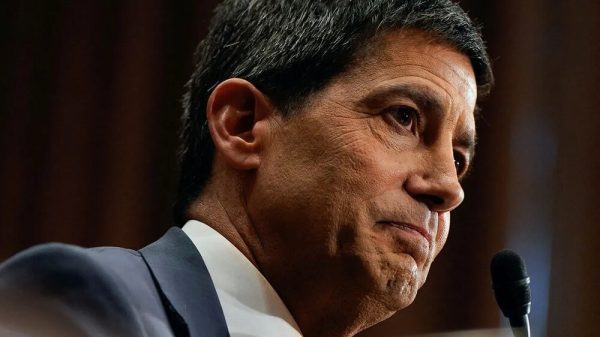
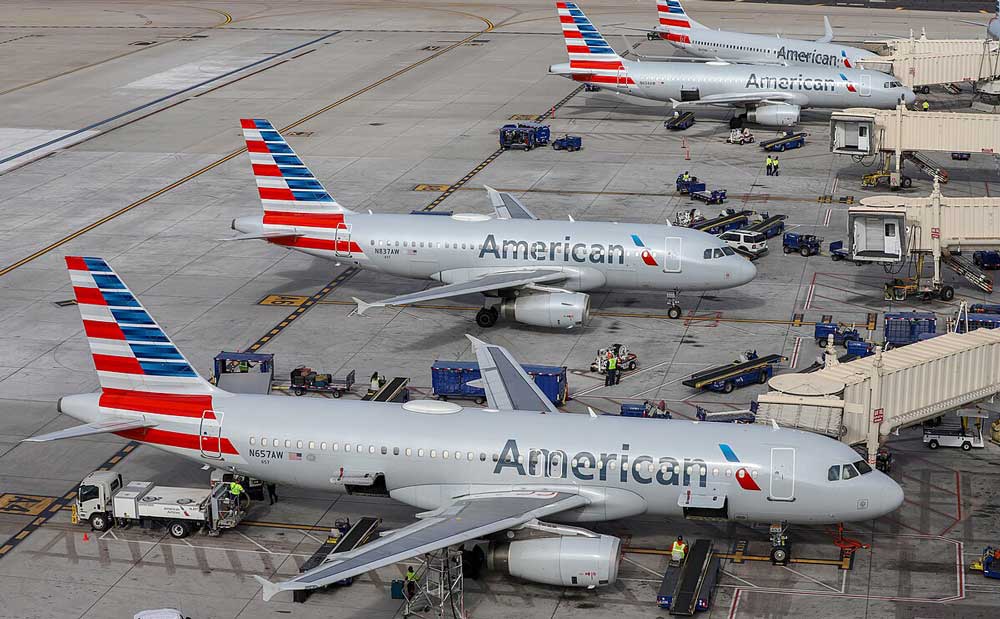
For Kirby, the prospect of absorbing American Airlines carries an unmistakably personal dimension. He served as president of American before departing after it became clear a path to the top job was closed to him. He joined United as president in 2016 and eventually ascended to CEO — and a merger would bring him back, on his own terms, to the airline he once nearly led. The two carriers have waged a prolonged strategic rivalry, most visibly at Chicago O’Hare, where they have competed fiercely over gates and market share. Kirby has also been openly critical of American’s slower embrace of premium products, which have proven highly profitable for both United and Delta.
What a Merger Would Mean
Together, United and American already control more than a third of the US aviation market. A merger would hand United the largest domestic route network in the country and end the Chicago rivalry at a stroke. But the prize comes with enormous complications. American is burdened with $35 billion in debt and is still working to rebuild its corporate travel base after a widely-criticised marketing strategy that it later reversed. CEO Robert Isom faces pressure from pilots who blame him for American’s persistent gap in profitability compared to United and Delta. American shares have shed 27% since the start of 2026 — a valuation gap that makes the airline a tempting but troubled target.
The Regulatory Hurdle
Any deal would require approval from both the Department of Transportation and the Department of Justice. Transportation Secretary Sean Duffy has acknowledged that the administration sees room for consolidation in the sector, noting that President Trump “likes to see big deals happen.” But Duffy was careful not to pre-commit, warning that a merger between two major carriers would require them to divest certain assets to prevent undue market concentration and protect consumers from higher fares.
The antitrust record in aviation is sobering. A federal judge previously ordered the dismantling of a JetBlue-American alliance for violating competition law, and a separate JetBlue bid for Spirit Airlines was blocked on the same grounds. History suggests regulators will not wave through a deal of this magnitude without a fight.
Markets React
Bloomberg’s report triggered an immediate market response: American Airlines shares jumped as much as 11% in after-hours trading, while United edged up 1.3% — a gap in reaction that itself reflects how much more American stands to gain from a deal. No formal offer has been made, and neither company would comment. For now, this remains a conversation — but one happening at the highest levels, and in an industry that has always built itself through consolidation.

 ↔
↔ 
 ↔
↔  ↔
↔  ↔
↔  ↔
↔  ↔
↔  ↔
↔  ↔
↔  ↔
↔  ↔
↔  →
→  →
→  →
→  →
→  →
→  →
→  →
→